
"Exploring the Invisible, Impacting the World"
Microbiology is the science of the unseen, a discipline that reveals how microscopic life forms sustain ecosystems, shape health, and drive innovation. From disease prevention to environmental restoration and industrial biotechnology, microbiology stands at the heart of modern science and sustainability. In India, the microbiology culture market is rapidly expanding—valued at USD 317.1 million in 2024 and projected to reach USD 889.3 million by 2033, growing at a CAGR of 12.4%—reflecting the nation’s accelerating demand for skilled microbiologists.
At Rai Technology University (RTU), Bangalore, the B.Sc. Microbiology program is designed to align with the National Education Policy (NEP-2020) and its vision of holistic, interdisciplinary, and experiential learning. The program cultivates both scientific precision and intellectual breadth, integrating a robust academic ecosystem, modern laboratory practices, SWAYAM/NPTEL-supported digital learning, and research-driven pedagogy.
Students delve into microbial genetics, virology, immunology, food and industrial microbiology, and environmental microbiology, developing a nuanced understanding of life at its most fundamental level. The program also emphasizes hands-on training, internships, and collaborative research, fostering critical thinking, creativity, and innovation. Graduates emerge with strong analytical acumen, laboratory proficiency, and scientific curiosity, ready to contribute meaningfully in clinical diagnostics, pharmaceuticals, food technology, environmental research, public health, and academia. At RTU, Microbiology is not just a course—it is a journey into the hidden architecture of life, inspiring students to explore, innovate, and transform the world from the microscopic to the global scale.
Explore the key features that make our Computer Science Engineering program stand out
Industry-oriented curriculum with specialization options in Marketing, Finance, HR, Operations, Business Analytics, etc
Hands-on experience in state-of-the-art labs for molecular biology, microbiology, genetic engineering, and biochemical techniques.
Project-based coursework and capstone projects that foster scientific inquiry, teamwork, and innovation.
Soft skills training, bioethics, and entrepreneurship education prepare students to contribute meaningfully to science, society, and industry
Trains graduates for employment in clinical laboratories, pharmaceutical industries, diagnostics, food safety, environmental agencies, and R&D sectors
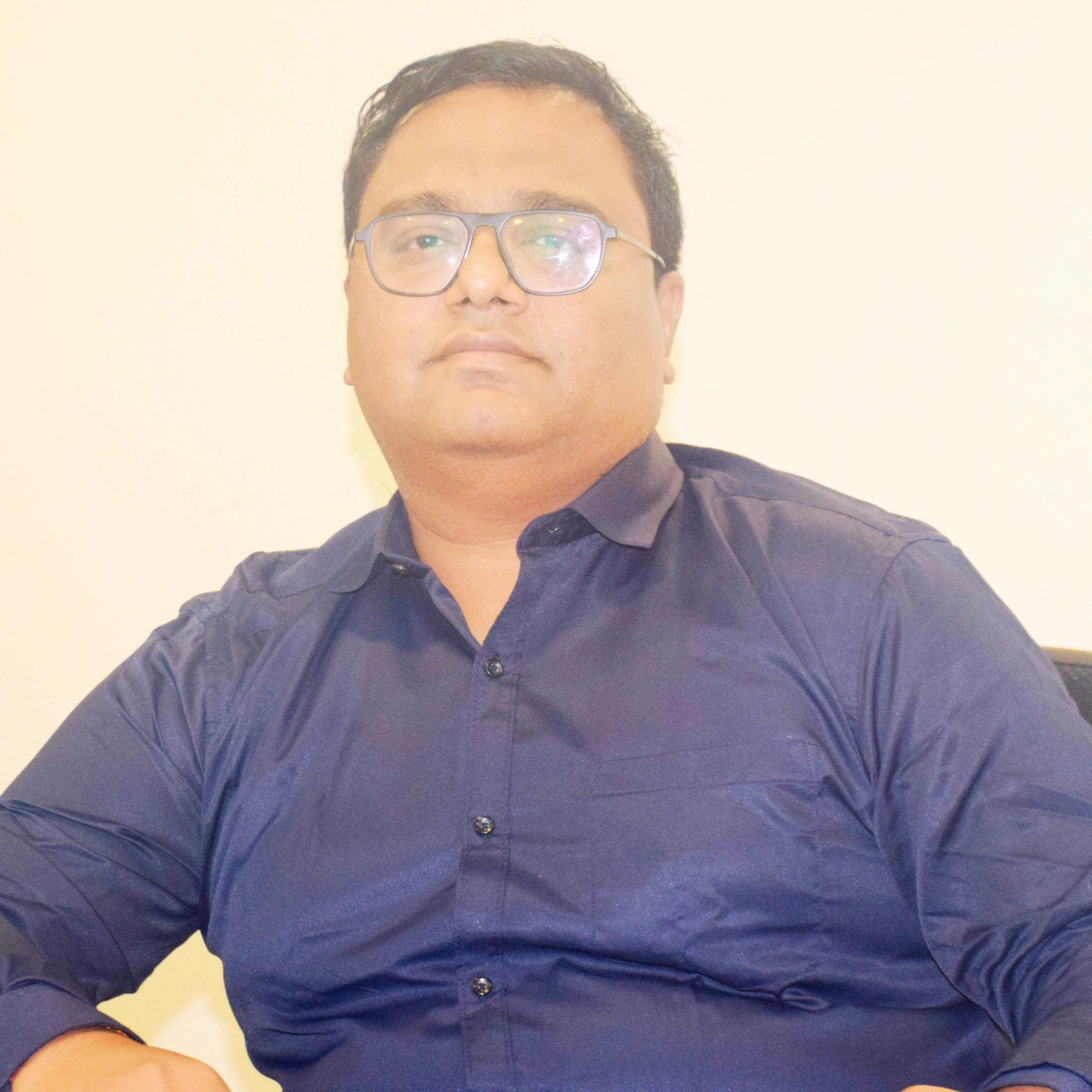
Associate Professor & Head of Department
Ph.D.
Specialization: : Microbial Biotechnology; Medical Microbiology; Biophysical techniques
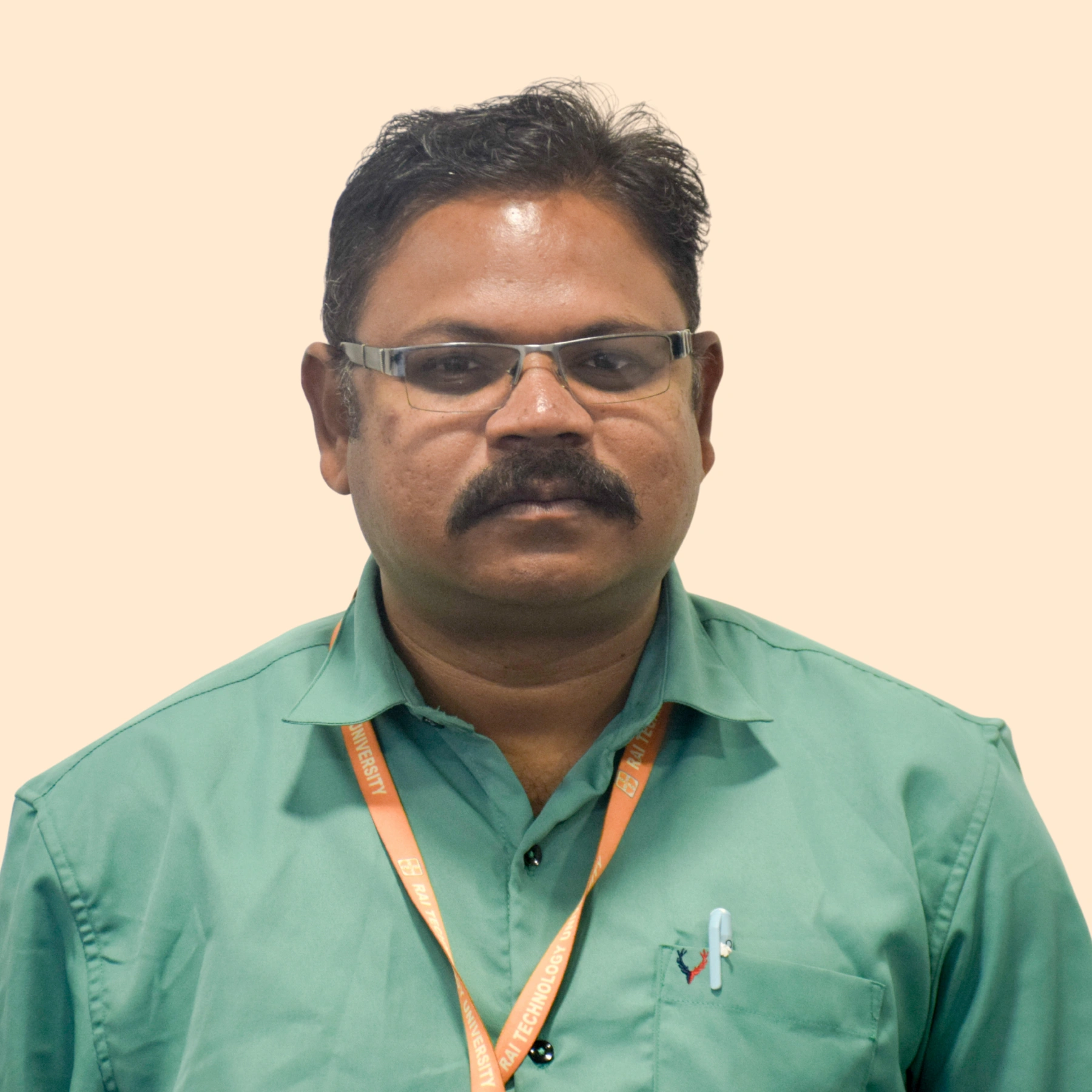
Assistant professor
M.Sc, NET
Specialization: Biotechnology
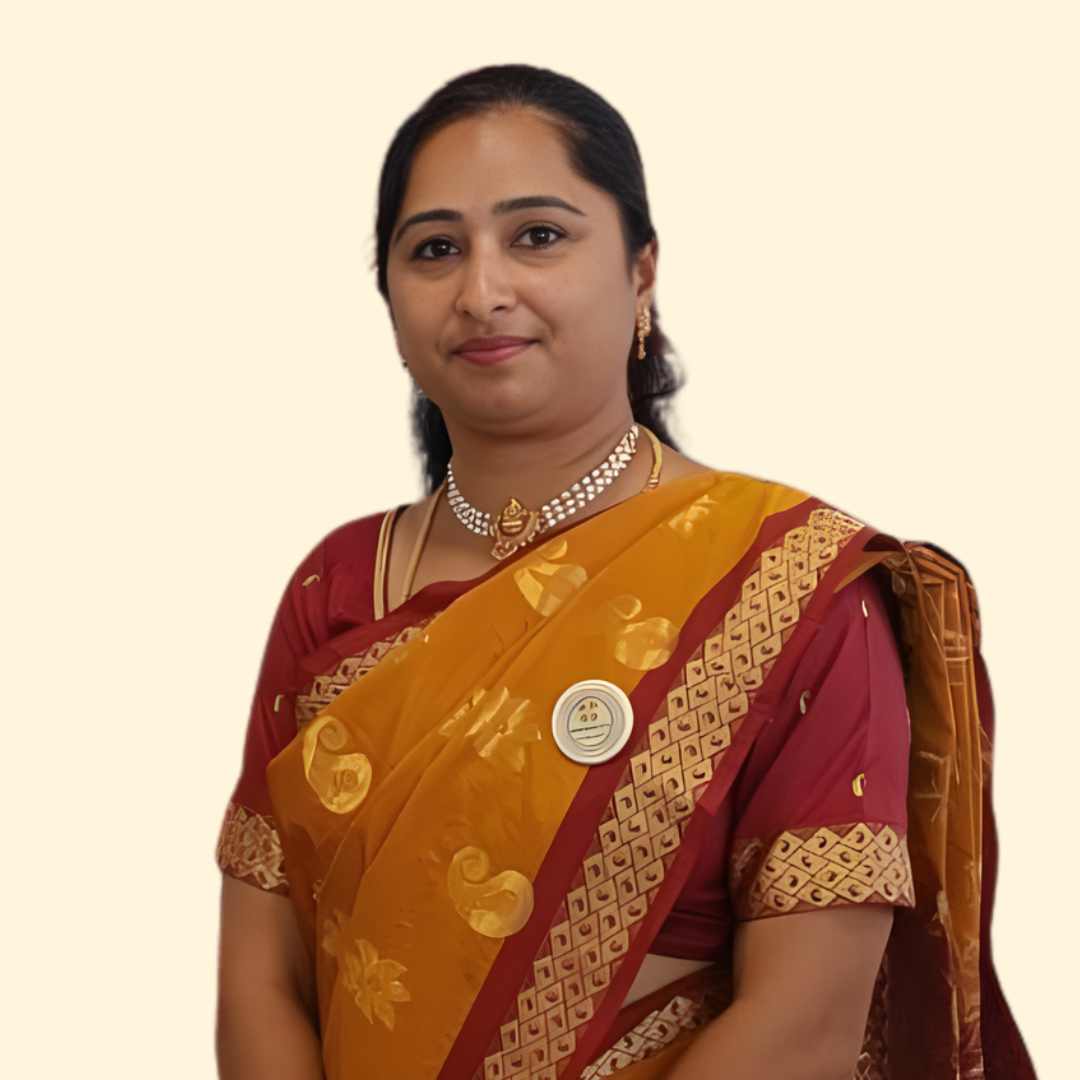
Assistant Professor & Assistant Controller of Examination
M.Sc.(Agri.)
Specialization:Horticulture
Our comprehensive curriculum is designed to provide a strong foundation in computer science principles while keeping pace with emerging technologies
| Course Category | Title of the Course | Credit |
|---|---|---|
| UCC | Communication Skills | 2 |
| UCC | Universal Human Values and Professional Ethics | 3 |
| UCC | Environmental Studies and Sustainability | 2 |
| UCC | Critical Thinking | 2 |
| MDC | Fundamentals of Business Management | 2 |
| MDC | Evolution of Life on Earth | 2 |
| MDC | Brands in Business | 2 |
| MDC | Biology for Mankind | 2 |
| MDC | Introduction to Computer Programing | 2 |
| Total | 19 |
*University Core Courses (UCC)
*Multi-Disciplinary courses (MDC)
*Program Core Courses (PCC)
| Course Category | Title of the Course | Credit |
|---|---|---|
| UCC | Analytical Academic Writing | 2 |
| UCC | Problem Solving for Design Thinking | 2 |
| UCC | Indian Constitution | 2 |
| UCC | Indian Knowledge System-1 | 2 |
| PCL | Physics of Biological System | 3 |
| PCC | Chemical Principles in Biological Systems | 3 |
| PCC | Introduction to Biomolecules | 3 |
| PCC | Introduction to Microbial world | 3 |
| PCC | General Lab Techniques-Lab | 1 |
| Total | 21 |
| Course Category | Title of the Course | Credit |
|---|---|---|
| UCC | Indian Knowledge System–II | 2 |
| UCC | UCC | 2 |
| PCC | Microbial Physiology | 3 |
| PCC | Molecular Biology | 3 |
| PCL | Molecular biology & Microbial Physiology-Lab | 1 |
| PCC | Biophysics and Instrumentation | 3 |
| MIN | Minor Elective | 3 |
| MIN | Minor Elective | 3 |
| Total | 20 |
*University Core Courses (UCC)
*Multi-Disciplinary courses (MDC)
*Program Core Courses (PCC)
*Program Core Lab
*Minor Elective(MIN)
| Course Category | Title of the Course | Credit |
|---|---|---|
| UCC | UCC Course | 2 |
| UCC | UCC Course | 1 |
| PCC | Biochemistry | 3 |
| PCC | Immunology | 3 |
| PCC | Microbial Genetics | 3 |
| PCL | Microbial Genetics & Immunology-Lab | 2 |
| MIN | Minor Elective | 3 |
| MIN | Minor Elective | 3 |
| Total | 20 |
| Course Category | Title of the Course | Credit |
|---|---|---|
| PCL | Introduction to Bioinformatics (Practical) | 1 |
| PCC | Medical microbiology | 2 |
| PCC | Food and Dairy microbiology | 2 |
| PCC | Applied Microbiology-Lab | 1 |
| INT | Internship (Viva Voce) | 2 |
| PSC | Program Specialization (Elective I) | 3 |
| PSC | Program Specialization (Elective II) | 3 |
| MIN | Minor Elective | 3 |
| MIN | Minor Elective | 2 |
| Total | 20 |
*Multi-Disciplinary courses (MDC)
*Program Core Courses (PCC)
*Program Core Lab
*Minor Elective(MIN)
*Internship(INT)
*Program specialization Course(PSC)
| Course Category | Title of the Course | Credit |
|---|---|---|
| PCC | Industrial Microbiology | 2 |
| PCL | Industrial Microbiology-Lab | 2 |
| PCC | Introduction to Biostatistics | 2 |
| PCC | Bioethics & Entrepreneurship | 2 |
| PSC | Program Specialization (Elective III) | 3 |
| PSC | Program Specialization (Elective IV) | 3 |
| MIN | Minor Elective | 3 |
| MIN | Minor Elective | 2 |
| Total | 20 |
| Course Category | Title of the Course | Credit |
|---|---|---|
| MEC | Research Methodology / MOOC | 4 |
| MEC | Industrial Regulatory Standards and Good Laboratory Practice | 4 |
| MEC | Intellectual Property Rights / MOOC | 4 |
| MiEC | Minor Elective | 4 |
| MiEC | Minor Elective | 4 |
| Total | 20 |
*Major Enhancement Course(MEC)
*Minor Enhancement Course(MiEC)
RP(Research Project)
| Course Category | Title of the Course | Credit |
|---|---|---|
| MEC | Seminar | 4 |
| MEC | MOOC (SWAYAM/NPTEL etc.) | 4 |
| RP | Research Project (Capstone) | 12 |
| Total | 20 |